A mental health assessment is a structured evaluation that helps clinicians identify psychological conditions, emotional challenges, and behavioral patterns. It is the first step toward getting the right diagnosis and the most effective treatment.
These assessments are used in hospitals, outpatient clinics, rehab centers, and private practices. According to the National Institute of Mental Health, nearly one in five U.S. adults lives with a mental illness, making early and accurate assessment more important than ever.
Key Takeaways
- Mental health assessments identify symptoms, diagnoses, and the right level of care for each individual.
- The National Institute of Mental Health reports that 57.8 million U.S. adults experienced a mental illness in 2021.
- Assessments often include clinical interviews, standardized questionnaires, and medical history reviews.
- Many mental health conditions co-occur with substance use disorders, making dual diagnosis screening essential.
- Early assessment leads to faster treatment access and better long-term outcomes.
What Is a Mental Health Assessment?
A mental health assessment is a clinical process used to evaluate a person's psychological, emotional, and behavioral health. Clinicians gather information about symptoms, history, and daily functioning to form an accurate picture of a person's needs.
This process is not a single test. It combines multiple tools, conversations, and observations to build a complete profile. The goal is to guide treatment planning, not just label a condition.
Who Conducts Mental Health Evaluations?
Licensed psychologists, psychiatrists, licensed clinical social workers, and mental health counselors are all qualified to conduct these evaluations. Each professional brings a different focus depending on the setting and the presenting concerns.
Psychiatrists can also prescribe medication, which makes their assessment role especially important when symptoms are severe or when a biological component is suspected. In rehab settings, addiction counselors often conduct initial screenings before referring clients to specialists.
Types of Mental Health Assessments
There are several types of assessments used across different clinical settings. The type chosen depends on the reason for the evaluation, the age of the patient, and the suspected condition.
Clinical Interviews
A clinical interview is the most common assessment tool. The clinician asks structured or semi-structured questions about mood, behavior, sleep, relationships, trauma history, and substance use. This conversation helps establish rapport and gather detailed context.
Structured interviews follow a fixed format, while semi-structured ones allow the clinician to explore specific areas more deeply. Both approaches produce reliable diagnostic information when conducted by a trained professional.
Standardized Psychological Tests
Standardized tests measure specific areas like depression, anxiety, personality traits, or cognitive function. Common tools include the PHQ-9 for depression, the GAD-7 for anxiety, and the Beck Depression Inventory. These tests provide measurable data that clinicians use alongside interview findings.
Results are compared to population norms, giving clinicians a benchmark. These tools are especially useful for tracking symptom changes over time during ongoing treatment.
Dual Diagnosis Screening
Dual diagnosis screening checks for co-occurring mental health and substance use disorders. Research shows that roughly 50% of people with a mental disorder also struggle with substance use, according to the Substance Abuse and Mental Health Services Administration.
Identifying both conditions at the same time is critical. Treating only one without addressing the other significantly reduces the chance of long-term recovery and stable mental health.
What Happens During a Mental Health Assessment?
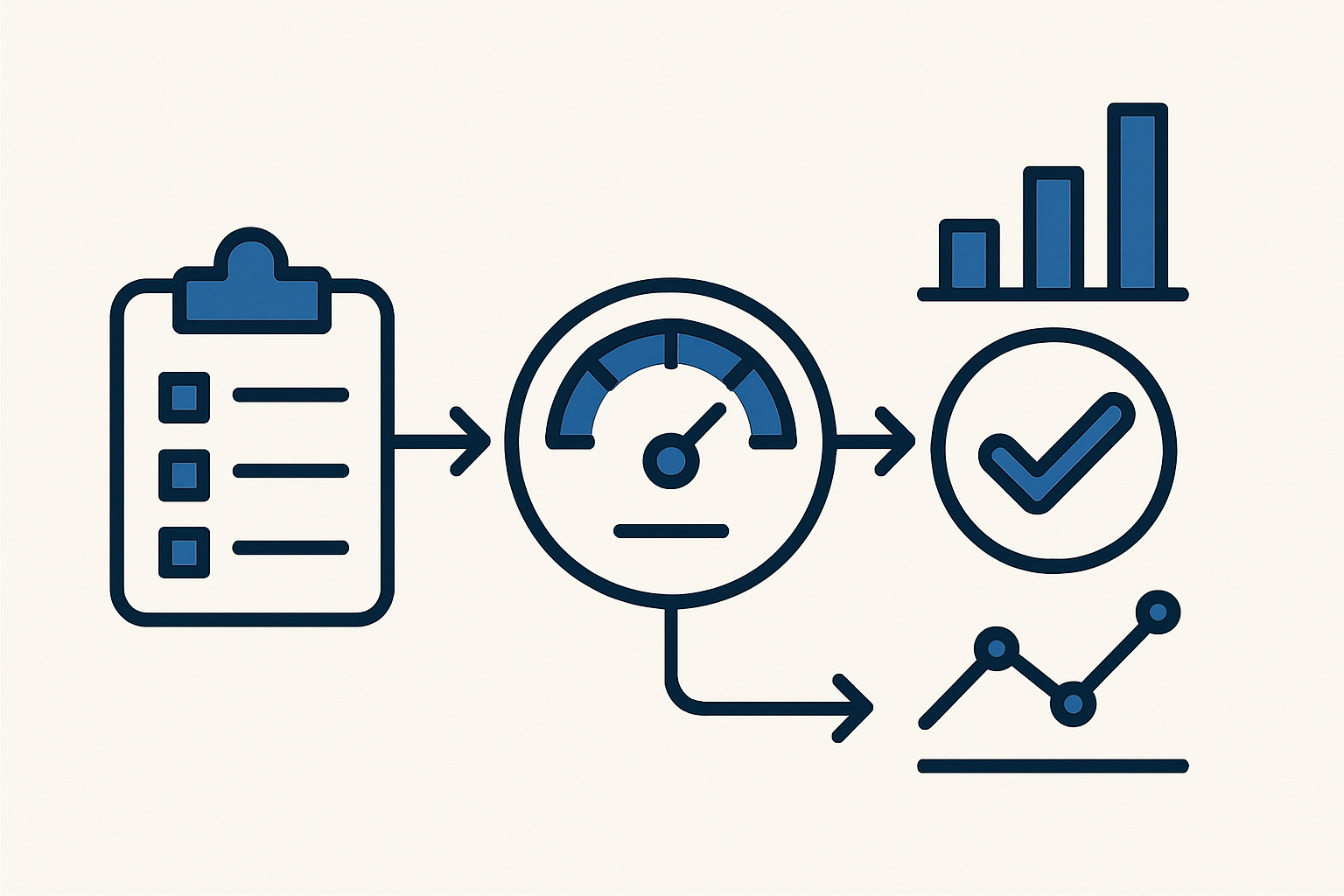
The process usually begins with intake paperwork covering personal history, medical conditions, current medications, and the reason for seeking help. This information gives the clinician a foundation before the formal evaluation begins.
During the assessment itself, the clinician asks questions and may administer written or digital tests. The session typically lasts between one and two hours. Some evaluations require follow-up sessions, especially when diagnosing complex or overlapping conditions.
What Information Gets Reviewed?
Clinicians review medical history, prior mental health records, family psychiatric history, and current medications. They also assess social functioning, including work performance, relationships, and daily living skills.
Substance use history is always relevant, even in non-addiction settings. Alcohol and drug use can mask or worsen psychiatric symptoms, so accurate reporting helps clinicians avoid misdiagnosis or incomplete treatment plans.
How Assessment Results Guide Treatment
Once the assessment is complete, the clinician creates a diagnostic impression and recommends a level of care. This might include outpatient therapy, intensive outpatient programs, residential treatment, or inpatient psychiatric care depending on symptom severity.
A thorough assessment ensures that the recommended treatment matches the actual needs of the individual. Skipping this step often leads to mismatched care, which wastes time and delays real progress toward mental wellness.
Mental Health Assessments in Addiction Treatment
In addiction treatment settings, mental health assessments are a standard part of the intake process. Rehab centers use them to design individualized care plans that address both the addiction and any underlying psychiatric conditions.
Programs that integrate mental health treatment with substance use recovery consistently show better outcomes. Addressing root causes like depression, trauma, or anxiety makes it far more likely that a person will sustain long-term sobriety.
Frequently Asked Questions
How long does a mental health assessment take?
Most assessments take between one and two hours, though complex evaluations may require multiple sessions. The length depends on the reason for the evaluation, the number of concerns being assessed, and whether additional testing like cognitive or neuropsychological exams is needed.
Is a mental health assessment confidential?
Yes, mental health assessments are protected under HIPAA privacy laws in the United States. Clinicians can only share results with your consent, except in specific situations involving safety risks to yourself or others, or when required by a court order.
Can a mental health assessment diagnose substance use disorders?
Yes. Many mental health assessments include substance use screening tools that can identify problematic patterns or formal substance use disorders. When both a mental health condition and a substance use disorder are present, the clinician will recommend a dual diagnosis treatment approach.
Do I need a referral for a mental health assessment?
Not always. Many outpatient clinics and private practices accept direct appointments without a referral. However, some insurance plans may require a referral from a primary care provider. It is best to check with your insurance provider before scheduling.
Bottom Line
Mental health assessments are the foundation of effective treatment, helping clinicians identify conditions, guide care decisions, and improve long-term outcomes. For those in Los Angeles dealing with both mental health challenges and substance use, losangelesdrugrehabilitation.com offers practical guidance on finding programs that provide integrated, dual diagnosis care.
References
- National Institute of Mental Health. (2023). Mental illness. U.S. Department of Health and Human Services. https://www.nimh.nih.gov/health/statistics/mental-illness
- Substance Abuse and Mental Health Services Administration. (2023). Co-occurring disorders and other health conditions. U.S. Department of Health and Human Services. https://www.samhsa.gov/medications-substance-use-disorders/medications-counseling-related-conditions/co-occurring-disorders
- American Psychiatric Association. (2022). Diagnostic and statistical manual of mental disorders (5th ed., text rev.). American Psychiatric Publishing.
- Kroenke, K., Spitzer, R. L., & Williams, J. B. W. (2001). The PHQ-9: Validity of a brief depression severity measure. Journal of General Internal Medicine, 16(9), 606-613.