Dual diagnosis treatment addresses both a substance use disorder and a co-occurring mental health condition at the same time. Without treating both issues together, recovery is significantly harder to achieve and maintain long-term.
Many people struggling with addiction also live with depression, anxiety, PTSD, or bipolar disorder. Treating only one condition often leads to relapse. Integrated dual diagnosis programs are designed to break that cycle.
Key Takeaways
- Dual diagnosis refers to having both a substance use disorder and a mental health condition simultaneously.
- According to SAMHSA, approximately 21.5 million adults in the U.S. had a co-occurring disorder in 2022.
- Integrated treatment, which addresses both conditions at once, produces better outcomes than treating them separately.
- Common co-occurring conditions include depression, anxiety disorders, PTSD, and bipolar disorder.
- Los Angeles has a range of specialized dual diagnosis programs offering inpatient and outpatient care.
What Is Dual Diagnosis?
Dual diagnosis, also called co-occurring disorder, means a person has both a mental health condition and a substance use problem. These two issues often fuel each other, making treatment more complex. A person may use drugs or alcohol to self-medicate undiagnosed depression or anxiety.
The relationship between mental health and addiction is bidirectional. Substance use can worsen mental health symptoms, and untreated mental illness increases the risk of developing addiction. Identifying which came first is less important than treating both conditions together.
Common Co-Occurring Mental Health Conditions
Several mental health disorders commonly appear alongside substance use disorders. These include major depressive disorder, generalized anxiety disorder, post-traumatic stress disorder, bipolar disorder, and schizophrenia. Each condition requires a tailored treatment approach within an integrated program.
Borderline personality disorder and ADHD are also frequently diagnosed alongside addiction. Clinicians trained in dual diagnosis care know how to separate overlapping symptoms and build an accurate picture of each patient's needs.
How Dual Diagnosis Treatment Works
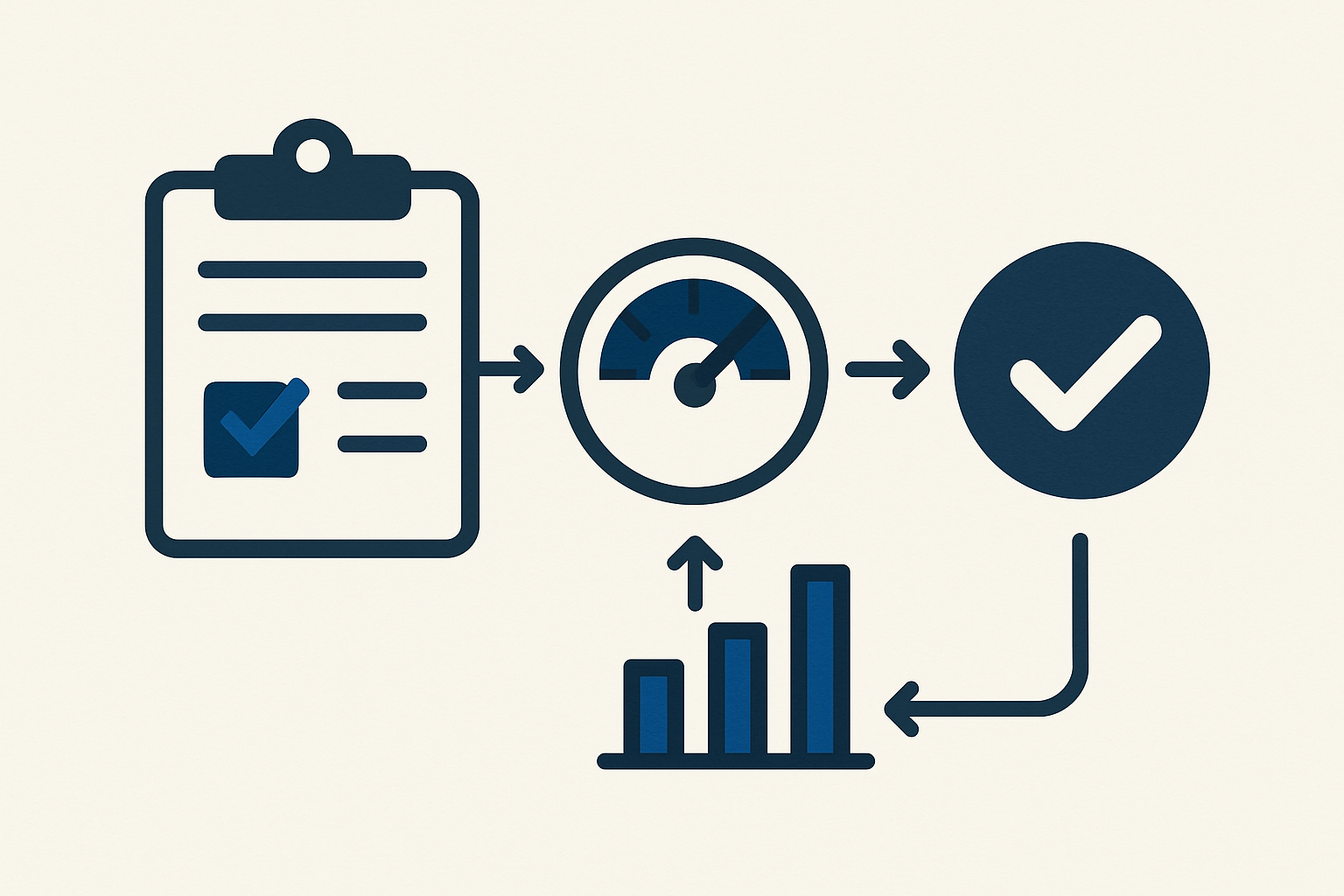
Effective dual diagnosis treatment uses an integrated model where one clinical team manages both the addiction and the mental health condition. This avoids gaps in care that occur when patients see separate providers for each issue. Coordinated treatment produces more consistent and lasting results.
Treatment typically begins with a comprehensive assessment to identify all diagnoses. A personalized plan is then built using a combination of therapies, medication management, and peer support. Progress is monitored across both conditions throughout the entire program.
Therapies Used in Dual Diagnosis Programs
Cognitive behavioral therapy, or CBT, is one of the most widely used approaches in dual diagnosis care. It helps patients identify how thoughts, emotions, and behaviors are connected. CBT is effective for both addiction and many co-occurring mental health disorders.
Other commonly used therapies include dialectical behavior therapy, EMDR for trauma, motivational interviewing, and group therapy. Medication-assisted treatment may also be incorporated when clinically appropriate, particularly for opioid or alcohol use disorders.
Inpatient vs. Outpatient Dual Diagnosis Treatment
Inpatient dual diagnosis programs provide 24-hour care in a structured residential setting. This level of care is best suited for people with severe symptoms or those who need medical stabilization. It offers a safe environment away from triggers and daily stressors.
Outpatient programs offer more flexibility and allow patients to live at home while attending treatment sessions. Intensive outpatient programs, or IOPs, typically meet three to five days per week. These are well suited for individuals with stable housing and a strong support system.
Choosing the Right Level of Care
Choosing the right program depends on the severity of both the addiction and the mental health condition. A licensed clinician should conduct a full assessment before making a recommendation. Factors like safety, daily functioning, and prior treatment history all play a role in that decision.
Insurance coverage also affects which programs are accessible. Many plans cover dual diagnosis treatment under mental health parity laws. Contacting your insurer or a treatment navigator can help clarify your benefits before you commit to a program.
Finding Dual Diagnosis Treatment in Los Angeles
Los Angeles has a wide range of accredited dual diagnosis treatment centers serving residents across the county. Programs vary in size, specialty, and treatment philosophy. Finding a facility that matches your specific diagnoses and personal circumstances is essential for the best outcome.
Some programs specialize in trauma-informed care, while others focus on specific populations such as veterans, LGBTQ+ individuals, or young adults. Asking about a facility's clinical staff credentials and their experience with co-occurring disorders is a smart first step when comparing options.
Frequently Asked Questions
How do I know if I need dual diagnosis treatment?
If you are struggling with substance use and also experience symptoms of depression, anxiety, mood swings, or trauma responses, a dual diagnosis evaluation is worth pursuing. A licensed mental health professional or addiction specialist can conduct a full assessment. This process helps identify all conditions that need to be addressed in your treatment plan.
Is dual diagnosis treatment covered by insurance?
Most insurance plans are required to cover mental health and substance use treatment equally under the Mental Health Parity and Addiction Equity Act. Coverage varies by plan, so it is important to verify your specific benefits. Many treatment centers have admissions staff who can help you understand what your plan covers before you enroll.
How long does dual diagnosis treatment take?
Treatment length depends on the severity of both conditions and how well a person responds to care. Inpatient programs often last 30 to 90 days. Outpatient care can continue for several months afterward. Long-term support through therapy and peer groups is usually recommended even after formal treatment ends.
Can dual diagnosis treatment be done on an outpatient basis?
Yes, outpatient dual diagnosis treatment is an option for people whose symptoms are manageable outside of a residential setting. Intensive outpatient programs offer structured therapy multiple times per week while allowing patients to live at home. Your treatment team will help determine whether outpatient care is clinically appropriate for your situation.
Bottom Line
Dual diagnosis treatment is the most effective approach for people dealing with both addiction and a co-occurring mental health condition, offering integrated care that addresses the root causes of both issues.
If you or someone you care about is looking for dual diagnosis programs in the Los Angeles area, losangelesdrugrehabilitation.com offers guidance on local treatment options, levels of care, and how to navigate the admissions process.
References
- Substance Abuse and Mental Health Services Administration. (2023). Key substance use and mental health indicators in the United States: Results from the 2022 National Survey on Drug Use and Health. https://www.samhsa.gov/data/report/2022-nsduh-annual-national-report
- National Institute on Drug Abuse. (2021). Common comorbidities with substance use disorders research report. https://nida.nih.gov/publications/research-reports/common-comorbidities-substance-use-disorders
- Drake, R. E., Mueser, K. T., Brunette, M. F., and McHugo, G. J. (2004). A review of treatments for people with severe mental illnesses and co-occurring substance use disorders. Psychiatric Rehabilitation Journal, 27(4), 360–374.
- Kelly, T. M., and Daley, D. C. (2013). Integrated treatment of substance use and psychiatric disorders. Social Work in Public Health, 28(3-4), 388–406.