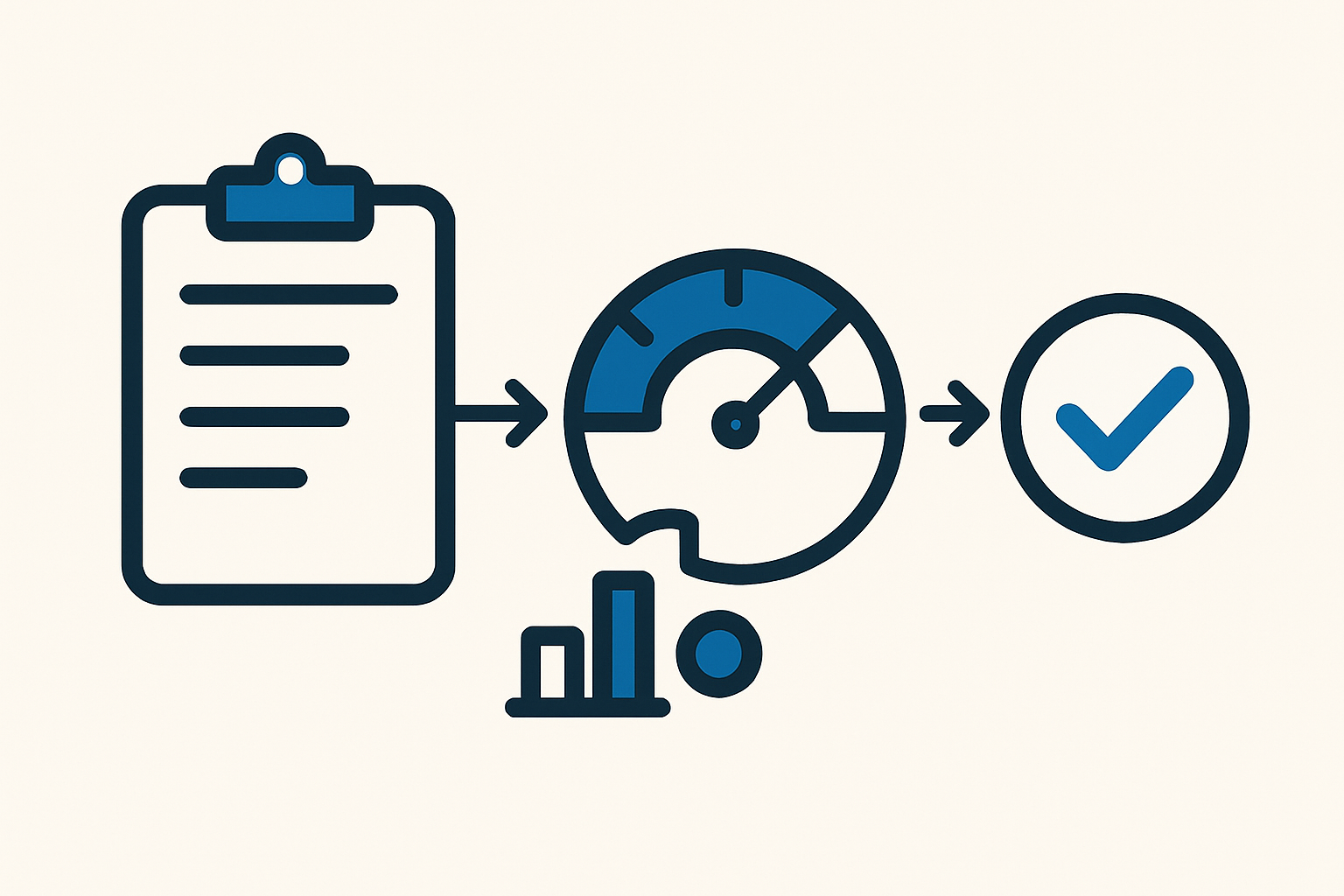
Medical stabilization is the first critical step in addiction treatment, designed to safely manage withdrawal symptoms and prepare the body for recovery. Without proper stabilization, the detox process can become dangerous or even life-threatening for some substances.
Understanding what this phase involves helps patients and families make informed decisions. From supervised detox to medication-assisted treatment, medical stabilization sets the foundation for every stage of rehab that follows.
Key Takeaways
- Medical stabilization addresses the immediate physical effects of stopping drug or alcohol use under clinical supervision.
- According to the Substance Abuse and Mental Health Services Administration (SAMHSA), over 21 million Americans needed substance use treatment in 2020, yet fewer than 10% received it.
- Withdrawal from alcohol and benzodiazepines can cause seizures, making medically supervised detox essential for safety.
- Medication-assisted treatment (MAT) during stabilization significantly improves long-term recovery outcomes.
- Medical stabilization typically lasts three to seven days, depending on the substance and severity of dependence.
What Is Medical Stabilization in Addiction Treatment?
Medical stabilization refers to a supervised clinical process that manages acute withdrawal safely. It happens at the very start of treatment, before therapy or counseling begins. The goal is to bring the patient to a physically stable state.
Medical teams monitor vital signs, administer medications, and address complications throughout this phase. This process reduces the risk of severe withdrawal symptoms, overdose, and medical emergencies that can occur when someone stops using substances abruptly.
Why Medical Supervision Is Necessary During Detox
Detoxing without medical oversight is risky, especially for alcohol, opioids, and benzodiazepines. These substances cause physical dependence, meaning the body adapts to their presence and reacts intensely when they are removed.
Alcohol withdrawal, for example, can trigger delirium tremens, a condition involving confusion, fever, and seizures. Medically supervised detox prevents these complications by using controlled tapering protocols and approved medications to ease the transition safely.
Common Substances That Require Medical Stabilization
Not every substance requires intensive medical oversight during withdrawal, but several carry serious risks. Knowing which substances demand clinical care helps patients and families understand the urgency of professional treatment.
- Alcohol: Can cause life-threatening withdrawal symptoms, including seizures and delirium tremens.
- Opioids: Withdrawal is intensely uncomfortable and carries a high relapse risk without medication support.
- Benzodiazepines: Similar to alcohol, abrupt cessation can trigger dangerous neurological events.
- Stimulants: Less physically dangerous but associated with severe psychological symptoms, including depression and suicidal ideation.
- Polysubstance use: Using multiple substances increases withdrawal complexity and the need for careful medical management.
What Happens During the Medical Stabilization Process?
The stabilization process follows a structured clinical approach. Each patient receives an individualized assessment to determine the safest detox protocol based on their substance use history, health conditions, and severity of dependence.
Initial Assessment and Intake Evaluation
Upon admission, medical staff conduct a thorough physical and psychological evaluation. This includes bloodwork, vital sign monitoring, and a detailed review of the patient's substance use history. The assessment guides every decision made during detox.
Clinicians use standardized tools, such as the Clinical Opiate Withdrawal Scale (COWS) or the Clinical Institute Withdrawal Assessment for Alcohol (CIWA), to measure withdrawal severity. These tools allow teams to adjust medications and interventions in real time.
Medication-Assisted Treatment During Stabilization
Medications play a central role in managing withdrawal symptoms safely and comfortably. The specific medications used depend on the substance involved and the individual's medical profile.
For opioid withdrawal, medications like buprenorphine or methadone reduce cravings and ease physical symptoms. For alcohol withdrawal, benzodiazepines are commonly used to prevent seizures. These medications are administered under strict medical supervision throughout the stabilization period.
Monitoring and Ongoing Support
Throughout medical stabilization, nursing staff and physicians monitor patients around the clock. Vital signs, hydration, nutrition, and mental health status are all tracked continuously. Any complications are addressed immediately to prevent escalation.
Emotional support is also provided during this phase. Withdrawal can be psychologically distressing, and having compassionate clinical staff present helps patients feel safe enough to continue through the process.
Medical Stabilization vs. Full Detox: Understanding the Difference
Medical stabilization and detox are related but not identical concepts. Stabilization focuses on immediate safety and symptom management. Full detox refers to the complete elimination of substances from the body, which can continue beyond the stabilization phase.
In practice, stabilization is the first stage of detox. Once a patient is medically stable, they transition to the next level of care, whether that is inpatient rehab, a residential program, or a structured outpatient setting. Stabilization alone is not a complete treatment program.
Transitioning From Stabilization to Ongoing Treatment
Completing medical stabilization is a significant milestone, but recovery requires continued care. The transition from stabilization to rehabilitation is a critical moment that determines whether early progress holds.
Treatment teams develop individualized plans that connect stabilization with therapy, counseling, and peer support. Inpatient programs offer the most structured environment after detox, while outpatient options suit individuals with strong support systems and lower-risk situations.
Frequently Asked Questions
Is medical stabilization the same as going to detox?
Medical stabilization is the supervised phase at the start of detox where acute withdrawal is managed safely. Detox refers to the broader process of clearing substances from the body. Stabilization is typically the first and most medically intensive part of that process, lasting several days before the next treatment phase begins.
Can someone leave during medical stabilization?
Patients in most non-involuntary treatment settings can technically leave during stabilization, but doing so carries serious health risks. Stopping abruptly mid-detox can trigger severe rebound symptoms. Treatment teams strongly advise completing stabilization before making any decisions about continuing or changing care.
Does insurance cover medical stabilization?
Many insurance plans, including Medicaid and private plans under the Affordable Care Act, are required to cover substance use disorder treatment, including medically supervised detox. Coverage varies by plan, so verifying benefits with your provider before admission is an important first step in the process.
How long does medical stabilization take?
The duration depends on the substance, the level of physical dependence, and the individual's overall health. Most stabilization periods last between three and seven days. Alcohol and benzodiazepine withdrawal may require a longer timeline due to the risk of delayed complications such as seizures.
Bottom Line
Medical stabilization is a necessary and potentially life-saving first step in addiction recovery, providing the clinical safety net needed before any meaningful treatment can begin.
If you or someone you care about needs help navigating detox and treatment options in the Los Angeles area, losangelesdrugrehabilitation.com offers guidance on local programs, levels of care, and insurance coverage to help you take the next step with confidence.
References
- Substance Abuse and Mental Health Services Administration. (2021). Key substance use and mental health indicators in the United States: Results from the 2020 National Survey on Drug Use and Health. https://www.samhsa.gov
- National Institute on Drug Abuse. (2020). Principles of drug addiction treatment: A research-based guide (third edition). National Institutes of Health.
- American Society of Addiction Medicine. (2020). The ASAM clinical practice guideline on alcohol withdrawal management. Journal of Addiction Medicine, 14(3S), 1-72.
- Kosten, T. R., and O'Connor, P. G. (2003). Management of drug and alcohol withdrawal. New England Journal of Medicine, 348(18), 1786-1795.