Drug rehab facilities provide structured, professional treatment for people struggling with substance use disorders. Choosing the right facility can directly impact your chances of long-term recovery. With so many program types available, knowing what to look for makes all the difference.
Whether you need medical detox, inpatient care, or outpatient support, understanding your options helps you act quickly and confidently. This guide breaks down how rehab facilities work, what services they offer, and how to find the right fit.
Key Takeaways
- Drug rehab facilities offer detox, inpatient, outpatient, and aftercare programs tailored to different levels of need.
- According to the Substance Abuse and Mental Health Services Administration (SAMHSA), over 20 million Americans aged 12 and older needed substance use treatment in 2022.
- Evidence-based treatments, including cognitive behavioral therapy and medication-assisted treatment, improve recovery outcomes significantly.
- Insurance coverage, including Medicaid and private plans, often covers a portion of rehab costs under the Affordable Care Act.
- Early treatment entry is strongly linked to better long-term sobriety rates.
What Drug Rehab Facilities Actually Do
Rehab facilities treat substance use disorders using clinical, behavioral, and holistic approaches. They assess each patient individually and create a personalized care plan. Treatment addresses not just addiction but also underlying mental health conditions, trauma, and social factors.
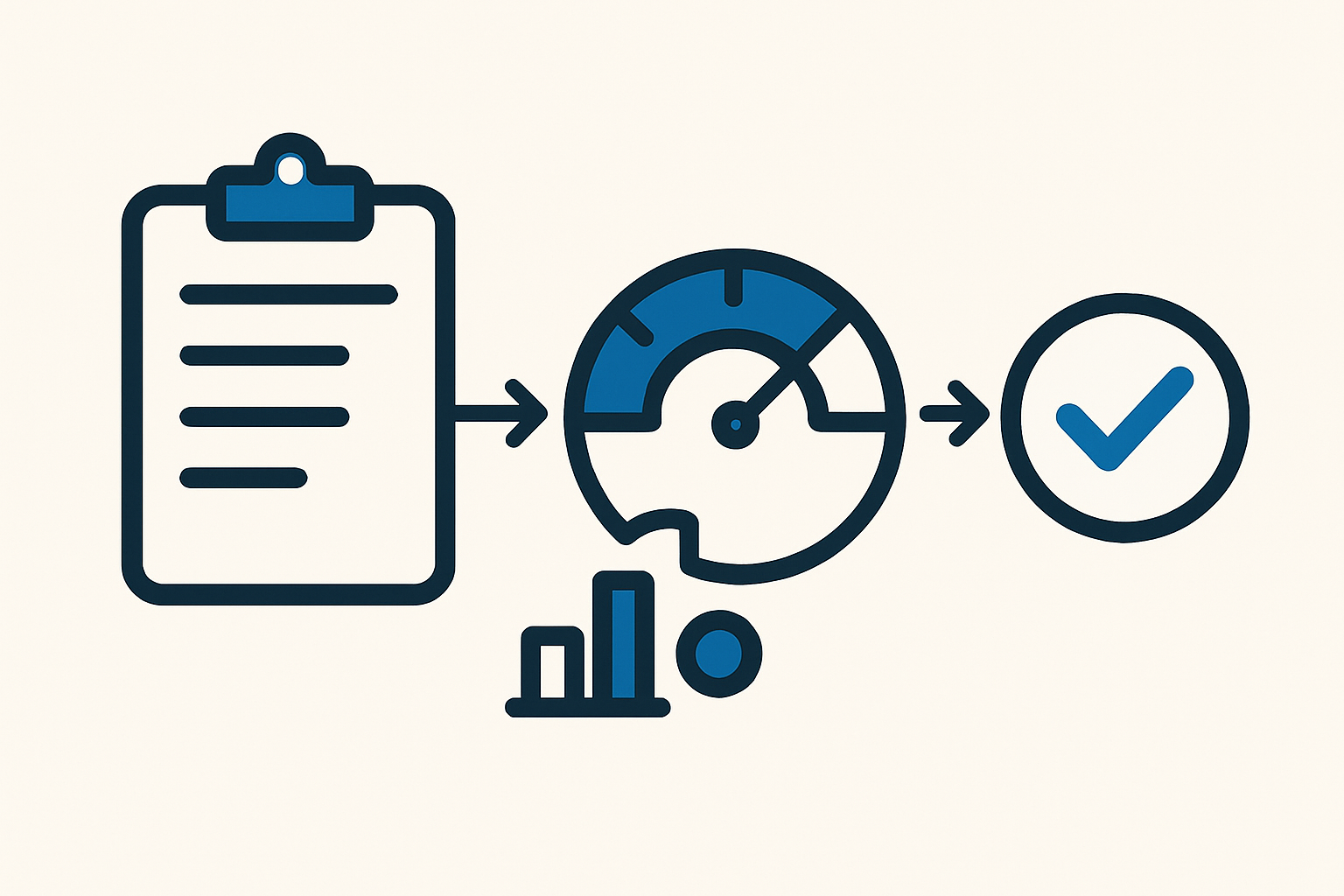
Most programs follow a structured progression from detox through aftercare. Each phase targets a specific part of recovery. This layered approach reduces the risk of relapse and supports lasting change.
Medical Detox Programs
Detox is usually the first step in treatment. Medical staff monitor patients around the clock as substances leave the body. This phase manages withdrawal symptoms safely and prepares the patient for the next stage of care.
Some substances, including alcohol and benzodiazepines, can cause life-threatening withdrawals. Medical detox reduces this risk with supervised tapering, IV fluids, and medication when needed. Attempting detox alone at home carries serious health risks.
Types of Drug Rehab Programs
Rehab facilities offer multiple program formats to match different lifestyles and severity levels. The right type depends on the substance involved, your support system at home, and your history with treatment. A clinical assessment at intake helps determine the best fit.
Inpatient Rehab Centers
Inpatient programs require patients to live at the facility during treatment. This removes outside triggers and provides 24-hour supervision and support. Programs typically run 30, 60, or 90 days depending on individual needs.
Inpatient care is best suited for people with severe addictions, co-occurring mental health conditions, or unstable home environments. Daily schedules include group therapy, individual counseling, skill-building sessions, and recreational activities. Structure is a core feature of inpatient recovery.
Outpatient Rehab Options
Outpatient programs allow patients to live at home while attending scheduled treatment sessions. Intensive outpatient programs (IOP) typically involve three to five days of treatment per week. Standard outpatient programs meet less frequently and suit those in later recovery stages.
Outpatient care works well for people with strong home support and less severe addictions. It also serves as a step-down option after completing inpatient treatment. Flexibility makes it easier to maintain work and family responsibilities.
Partial Hospitalization Programs
Partial hospitalization programs (PHP) bridge the gap between inpatient and outpatient care. Patients attend treatment for five to seven hours per day, several days per week, then return home each evening. This format suits those who need intensive support but do not require overnight care.
Evidence-Based Treatments Used in Rehab
Accredited drug rehab facilities use treatments backed by clinical research. These methods have demonstrated effectiveness across large patient populations. Facilities that rely on evidence-based care tend to produce better outcomes than those offering unproven alternatives.
Common approaches include cognitive behavioral therapy (CBT), dialectical behavior therapy (DBT), motivational interviewing, and medication-assisted treatment (MAT). MAT uses FDA-approved medications like buprenorphine or naltrexone to reduce cravings and withdrawal symptoms during recovery.
Dual Diagnosis Treatment
Many people with addiction also live with depression, anxiety, PTSD, or other mental health disorders. Dual diagnosis programs treat both conditions at the same time. Treating only the addiction without addressing mental health often leads to relapse.
Integrated care teams typically include psychiatrists, licensed therapists, and addiction counselors. This coordinated approach creates more complete and effective treatment plans for complex cases.
How to Choose the Right Drug Rehab Facility
Selecting a rehab center involves evaluating accreditation, treatment methods, staff credentials, and program length. Look for facilities accredited by the Joint Commission or CARF International. These credentials indicate the program meets national quality and safety standards.
Consider location, cost, and available insurance coverage. Many facilities work directly with insurance providers to verify benefits before admission. Asking about aftercare planning is equally important since ongoing support after discharge significantly reduces relapse risk.
Understanding Insurance and Payment Options
Under the Mental Health Parity and Addiction Equity Act, most insurance plans must cover addiction treatment at the same level as other medical conditions. Medicaid, Medicare, and private insurance often cover detox and rehab services. Always verify benefits directly with both your insurer and the facility before enrolling.
Facilities may also offer sliding scale fees, payment plans, or scholarships for people without insurance. Cost should not be a barrier to accessing care. Many programs prioritize helping patients find a financial path to treatment.
Frequently Asked Questions
How long does drug rehab typically last?
Program length varies based on the substance, severity of addiction, and individual progress. Short-term programs run 28 to 30 days. Long-term residential programs can last 60 to 90 days or more. Research consistently shows that longer treatment durations improve outcomes, especially for severe or long-term substance use disorders.
Is rehab effective for all types of drug addiction?
Evidence-based rehab programs effectively treat addiction to alcohol, opioids, stimulants, benzodiazepines, and other substances. Effectiveness depends on treatment quality, program length, and the individual's commitment to recovery. Personalized care plans tailored to the specific substance and patient background consistently produce the strongest results.
Can I visit a loved one during inpatient rehab?
Most inpatient facilities allow family visits, though policies vary by program. Many centers restrict visitation during the first week or two to allow patients to stabilize and focus on treatment. Family therapy sessions are often incorporated later in the program to rebuild relationships and strengthen the patient's support network.
What happens after completing a rehab program?
After completing rehab, patients typically transition to aftercare services such as sober living homes, outpatient therapy, or support groups like Narcotics Anonymous or SMART Recovery. Aftercare planning begins during treatment. Consistent participation in post-rehab support significantly lowers the risk of relapse and helps maintain long-term sobriety.
Bottom Line
Drug rehab facilities provide the clinical structure and professional support needed to overcome addiction safely and effectively. Choosing the right program based on your needs, budget, and level of care gives you the strongest foundation for lasting recovery.
If you or someone you love is looking for treatment options in the Los Angeles area, losangelesdrugrehabilitation.com offers guidance on local detox programs, inpatient and outpatient rehab centers, insurance support, and the admissions process.
References
- Substance Abuse and Mental Health Services Administration. (2023). 2022 National Survey on Drug Use and Health (NSDUH). https://www.samhsa.gov/data/report/2022-nsduh-annual-national-report
- National Institute on Drug Abuse. (2018). Principles of Drug Addiction Treatment: A Research-Based Guide (3rd ed.). https://nida.nih.gov/publications/principles-drug-addiction-treatment-research-based-guide-third-edition
- U.S. Department of Health and Human Services. (2022). Mental Health Parity and Addiction Equity Act. https://www.hhs.gov/mental-health-parity
- American Society of Addiction Medicine. (2020). The ASAM Criteria: Treatment Criteria for Addictive, Substance-Related, and Co-Occurring Conditions. ASAM.