Comprehensive alcohol addiction treatment in NJ includes medically supervised detox, inpatient rehab, outpatient programs, and long-term aftercare. New Jersey offers a wide range of licensed facilities designed to meet different levels of addiction severity and personal need.
Whether you or someone you love is struggling with early-stage drinking or severe alcohol dependence, understanding your treatment options is the first step. This guide breaks down what to expect from alcohol rehab in New Jersey.
Key Takeaways
- New Jersey has over 350 licensed substance use treatment facilities, according to the New Jersey Division of Mental Health and Addiction Services.
- The National Institute on Alcohol Abuse and Alcoholism reports that fewer than 10% of people with alcohol use disorder receive treatment each year.
- Comprehensive treatment typically includes detox, behavioral therapy, medication-assisted treatment, and peer support.
- Insurance coverage under the Affordable Care Act requires most plans to cover substance use disorder treatment.
- Long-term recovery outcomes improve significantly when patients complete both primary treatment and aftercare programs.
What Comprehensive Alcohol Addiction Treatment in NJ Includes
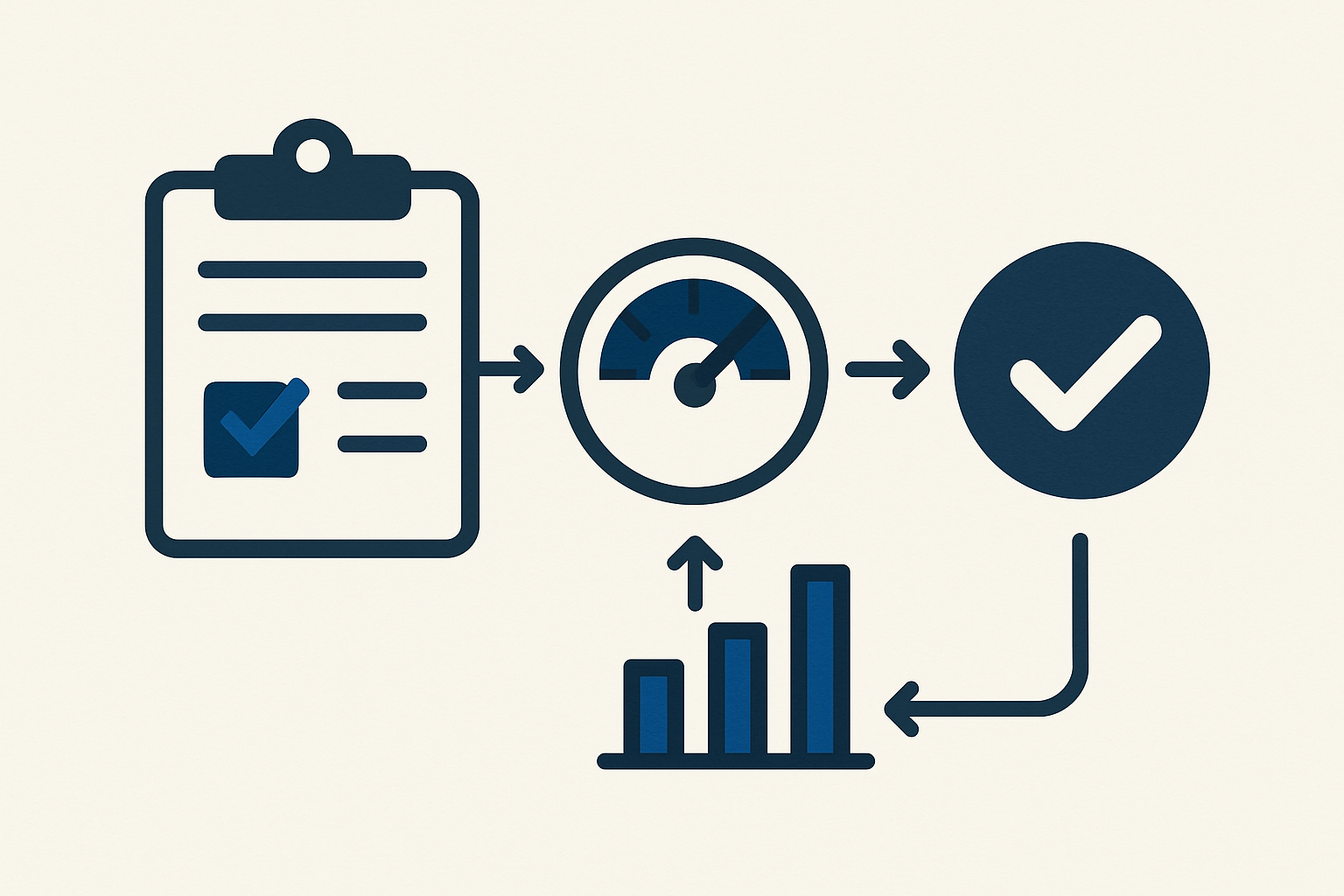
Comprehensive alcohol treatment is not a single service. It is a structured continuum of care that addresses physical dependence, mental health, and behavioral patterns. Programs in New Jersey typically combine multiple treatment phases to support lasting recovery.
Medical Detox for Alcohol Withdrawal
Alcohol withdrawal can be medically dangerous, causing seizures, delirium tremens, and cardiovascular complications. Medical detox in a licensed NJ facility provides 24-hour supervision and medication support to safely manage withdrawal symptoms before therapy begins.
Detox typically lasts three to seven days depending on the severity of dependence. It is considered the entry point into treatment, not a standalone solution. Completing detox prepares patients physically and mentally for the next phase of care.
Inpatient Alcohol Rehab Programs
Inpatient or residential rehab provides structured, round-the-clock treatment in a live-in facility. Patients participate in individual therapy, group counseling, and skill-building sessions daily. This level of care is best suited for those with severe addiction or unstable home environments.
Most inpatient programs in NJ run between 28 and 90 days. Evidence-based therapies such as cognitive behavioral therapy and dialectical behavior therapy are commonly used. Many facilities also address co-occurring mental health conditions like anxiety or depression.
Outpatient and Intensive Outpatient Programs
Outpatient programs allow patients to live at home while attending scheduled treatment sessions. Intensive outpatient programs, often called IOPs, typically require nine or more hours of structured therapy per week. They are ideal for people with strong support systems and moderate addiction severity.
Standard outpatient treatment offers more flexibility and serves those transitioning from inpatient care. Both formats use evidence-based counseling and relapse prevention planning. Many NJ facilities offer evening or weekend schedules to accommodate work and family responsibilities.
Medication-Assisted Treatment for Alcohol Use Disorder
Medication-assisted treatment, or MAT, uses FDA-approved medications alongside counseling to reduce cravings and prevent relapse. Three medications are commonly approved for alcohol use disorder: naltrexone, acamprosate, and disulfiram.
Naltrexone blocks the pleasurable effects of alcohol and reduces the urge to drink. Acamprosate helps stabilize brain chemistry after someone stops drinking. Disulfiram creates unpleasant physical reactions when alcohol is consumed, acting as a deterrent.
Who Qualifies for MAT in New Jersey
MAT is available to adults diagnosed with alcohol use disorder who are medically stable. A prescribing physician or addiction specialist conducts an evaluation before starting any medication. New Jersey's opioid and alcohol treatment networks include many providers offering integrated MAT services.
Dual Diagnosis Treatment for Co-Occurring Disorders
Many people with alcohol use disorder also experience depression, anxiety, PTSD, or bipolar disorder. Treating both conditions at the same time through dual diagnosis programs produces better outcomes than addressing each issue separately.
New Jersey has a growing number of facilities offering integrated mental health and addiction care. Patients receive psychiatric evaluation, medication management, and trauma-informed therapy alongside standard alcohol treatment. This approach addresses the root causes of addictive behavior rather than just the symptoms.
How to Choose the Right Alcohol Rehab in NJ
Choosing the right program depends on several factors, including addiction severity, mental health history, financial situation, and personal responsibilities. A licensed clinical assessment helps determine the appropriate level of care based on standardized criteria.
Questions to Ask a Treatment Provider
- Is the facility licensed by the New Jersey Division of Mental Health and Addiction Services?
- What therapies and evidence-based methods does the program use?
- Does the facility offer dual diagnosis treatment?
- What does the aftercare or discharge plan include?
- Does the program accept your insurance or offer financial assistance?
Understanding Insurance Coverage for Alcohol Rehab
Under the Mental Health Parity and Addiction Equity Act, insurers must cover substance use disorder treatment at the same level as other medical conditions. Most private insurance plans, Medicaid, and Medicare include some form of alcohol treatment coverage in New Jersey.
Contacting your insurer before enrolling helps clarify what is covered, including detox, inpatient stays, outpatient sessions, and medications. Many NJ rehab facilities have insurance verification staff who can assist with this process at no cost to you.
Frequently Asked Questions
How long does alcohol addiction treatment take in NJ?
Treatment length varies by individual need. Detox usually lasts three to seven days. Inpatient programs range from 28 to 90 days. Outpatient care can continue for several months. Long-term recovery support, including counseling and peer groups, is often recommended for one year or more after completing primary treatment.
Can I go to alcohol rehab in NJ if I have a job?
Yes. Outpatient and intensive outpatient programs are designed for working adults. The Family and Medical Leave Act also allows eligible employees to take unpaid, job-protected leave for serious health conditions, including addiction treatment, without risking their employment status.
Is alcohol rehab in NJ confidential?
Yes. Federal law under 42 CFR Part 2 protects the confidentiality of substance use disorder treatment records. Your employer, family members, and others cannot access your treatment information without your written consent. New Jersey state law provides additional privacy protections for patients enrolled in addiction treatment programs.
What happens after completing alcohol rehab in NJ?
After completing primary treatment, patients typically transition to an aftercare plan. This may include outpatient therapy, support group participation, sober living housing, and regular check-ins with a counselor. Structured aftercare significantly reduces the risk of relapse and supports long-term sobriety.
Bottom Line
Comprehensive alcohol addiction treatment in NJ combines detox, therapy, medication support, and aftercare to address every stage of recovery. Choosing the right program based on clinical need and personal circumstances gives you the best chance at lasting sobriety.
If you or someone you love is navigating treatment decisions, losangelesdrugrehabilitation.com offers guidance on detox programs, rehab options, and how to understand insurance coverage so you can take the next step with confidence.
References
- National Institute on Alcohol Abuse and Alcoholism. (2023). Alcohol use disorder. https://www.niaaa.nih.gov
- Substance Abuse and Mental Health Services Administration. (2023). Medications for alcohol use disorder. https://www.samhsa.gov
- New Jersey Division of Mental Health and Addiction Services. (2023). Substance use treatment directory. New Jersey Department of Human Services.
- National Institute on Drug Abuse. (2022). Principles of drug addiction treatment: A research-based guide (3rd ed.). National Institutes of Health.
- U.S. Department of Labor. (2022). Mental Health Parity and Addiction Equity Act. Employee Benefits Security Administration.