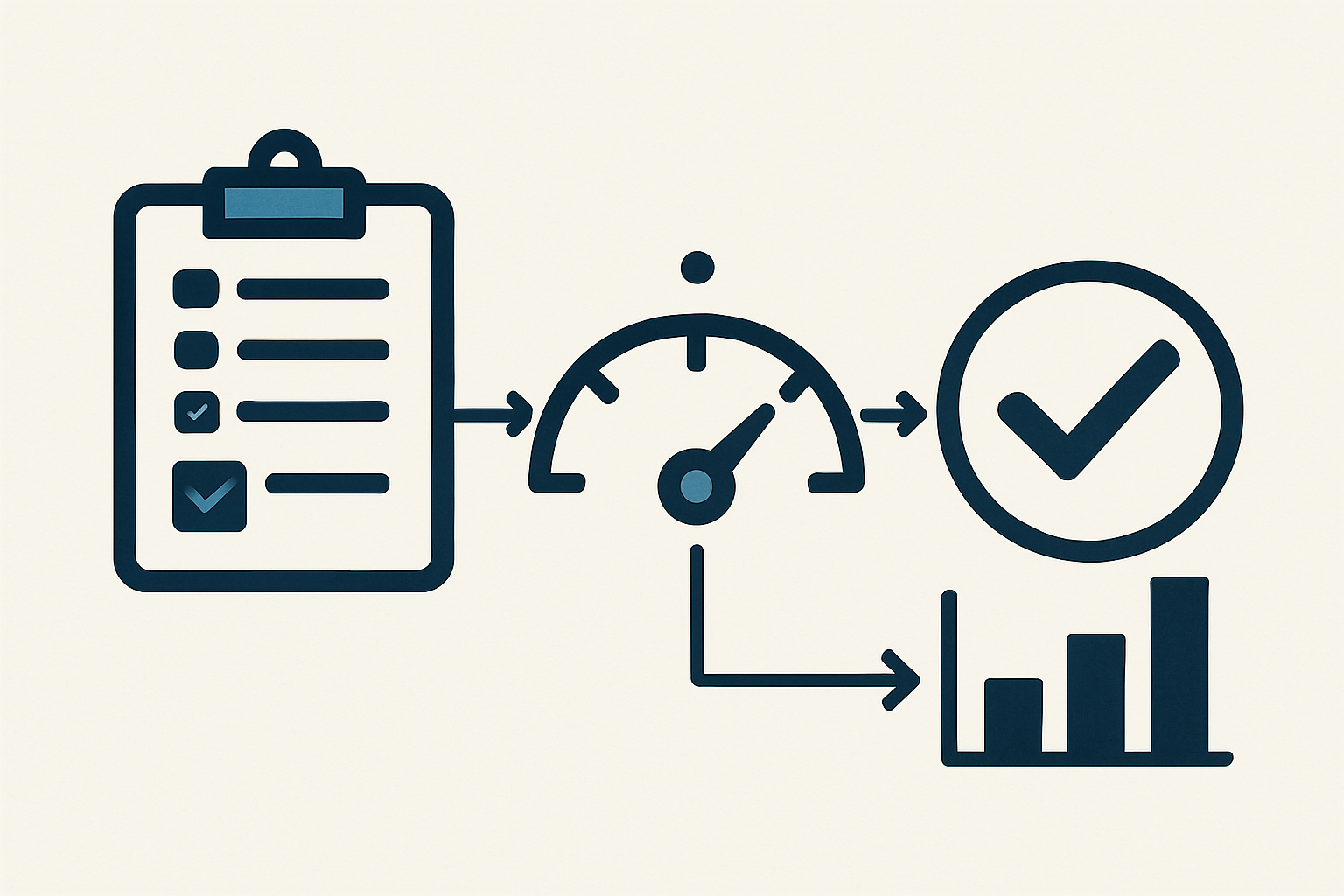
High-quality care in addiction treatment involves comprehensive, evidence-based approaches that address both physical and psychological aspects of substance use disorders. Quality treatment programs combine medical expertise, therapeutic interventions, and individualized care plans to maximize recovery outcomes.
treatment centers delivering high-quality care maintain proper accreditation, employ licensed professionals, and utilize proven methodologies. These facilities prioritize patient safety, maintain transparent communication, and provide ongoing support throughout the recovery process.
Key Takeaways
- Evidence-based treatment approaches increase recovery success rates by 40-60% compared to non-standardized programs
- Accredited facilities must meet rigorous standards set by organizations like CARF and The Joint Commission
- Quality programs offer individualized treatment plans tailored to each patient's specific needs and circumstances
- Comprehensive care includes medical detox, therapy, family involvement, and aftercare planning
- Licensed clinicians with specialized addiction training provide the foundation for effective treatment delivery
Evidence-Based Treatment Approaches
High-quality addiction treatment centers implement evidence-based practices proven effective through scientific research. These approaches include cognitive-behavioral therapy, medication-assisted treatment, and motivational interviewing techniques that address underlying causes of addiction.
Medical professionals utilize FDA-approved medications like buprenorphine, methadone, and naltrexone for opioid use disorders. These medications, combined with counseling, significantly reduce relapse rates and improve long-term recovery outcomes for patients.
Therapeutic Interventions
Quality programs offer diverse therapeutic modalities including individual counseling, group therapy, and family sessions. Licensed therapists employ trauma-informed care principles, recognizing that many individuals with addiction have experienced significant trauma requiring specialized treatment approaches.
Holistic therapies such as art therapy, yoga, and mindfulness meditation complement traditional approaches. These interventions address the whole person, promoting emotional regulation and stress management skills essential for sustained recovery.
Accreditation and Licensing Standards
Reputable treatment facilities maintain accreditation from recognized organizations like CARF International or The Joint Commission. These accrediting bodies evaluate programs based on comprehensive quality standards, ensuring facilities meet rigorous operational and clinical requirements.
State licensing requirements mandate that treatment centers employ qualified staff, maintain proper protocols, and adhere to safety regulations. Regular inspections verify compliance with these standards, protecting patients and ensuring quality care delivery.
Staff Qualifications
Quality treatment centers employ licensed addiction counselors, medical doctors, nurses, and mental health professionals. Staff members possess specialized training in addiction medicine, maintaining continuing education requirements to stay current with best practices.
Low counselor-to-patient ratios ensure adequate attention and support for each individual. Quality programs typically maintain ratios allowing for meaningful therapeutic relationships and comprehensive care coordination.
Individualized Treatment Planning
High-quality care begins with comprehensive assessments evaluating medical history, substance use patterns, mental health status, and social circumstances. This information guides the development of personalized treatment plans addressing each patient's unique needs and goals.
Treatment teams regularly review and adjust care plans based on patient progress and changing circumstances. This flexibility ensures interventions remain relevant and effective throughout the recovery journey.
Dual Diagnosis Treatment
Quality programs recognize that many individuals struggle with co-occurring mental health disorders alongside addiction. Integrated treatment addressing both conditions simultaneously produces better outcomes than treating each condition separately.
Specialized clinicians trained in dual diagnosis treatment provide coordinated care for conditions like depression, anxiety, PTSD, and bipolar disorder. This comprehensive approach prevents untreated mental health issues from undermining recovery efforts.
Comprehensive Services
Quality treatment facilities offer a full continuum of care including medical detox, residential treatment, intensive outpatient programs, and aftercare services. This comprehensive approach supports patients at every stage of recovery.
Medical detox programs provide 24-hour supervision during withdrawal, ensuring patient safety and comfort. Qualified medical staff monitor vital signs, administer medications when appropriate, and address complications that may arise during the detox process.
Family Involvement
High-quality programs recognize addiction's impact on entire family systems and incorporate family therapy into treatment plans. Education sessions help family members understand addiction as a disease and learn healthy communication strategies.
Family involvement programs provide support groups, counseling sessions, and educational resources. These services strengthen family relationships and create supportive environments that promote long-term recovery success.
Frequently Asked Questions
How can I verify a treatment center's accreditation status?
Visit the websites of accrediting organizations like CARF International or The Joint Commission to search their databases. You can also contact the facility directly to request documentation of their current accreditation status and credentials.
What staff-to-patient ratios indicate quality care?
Quality residential programs typically maintain ratios of 1:6 to 1:8 for counselors to patients. Medical staff ratios should provide adequate coverage for 24-hour supervision, with at least one nurse available during all shifts.
Should quality programs offer medication-assisted treatment?
Yes, evidence-based programs should provide FDA-approved medications for opioid and alcohol use disorders when clinically appropriate. MAT combined with counseling produces significantly better outcomes than counseling alone for these conditions.
How important is aftercare planning in quality treatment?
Aftercare planning is essential for maintaining long-term recovery. Quality programs begin discharge planning upon admission, connecting patients with ongoing support services, housing resources, and community-based treatment options before program completion.
Bottom Line
High-quality addiction treatment combines evidence-based practices, qualified staff, comprehensive services, and individualized care plans to maximize recovery success. These standards ensure patients receive safe, effective treatment addressing all aspects of their addiction and recovery needs.
For individuals seeking quality addiction treatment in Los Angeles, losangelesdrugrehabilitation.com provides comprehensive information about accredited facilities, treatment approaches, and resources to help navigate the path to recovery.
References
- National Institute on Drug Abuse. (2020). Principles of Drug Addiction Treatment: A Research-Based Guide (Third Edition). https://www.drugabuse.gov/publications/principles-drug-addiction-treatment-research-based-guide-third-edition
- Substance Abuse and Mental Health Services Administration. (2021). Treatment Improvement Protocol (TIP) 63: Medications for Opioid Use Disorder. https://store.samhsa.gov/product/TIP-63-Medications-for-Opioid-Use-Disorder-Full-Document/PEP21-02-01-002
- CARF International. (2022). Standards Manual: Behavioral Health. CARF International.
- The Joint Commission. (2021). Comprehensive Accreditation Manual for Behavioral Health Care. The Joint Commission Resources.
- Kelly, J. F., & Yeterian, J. D. (2011). The role of mutual-help groups in extending the framework of treatment. Alcohol Research & Health, 33(4), 350-355.