Dual-diagnosed patients have both a mental health disorder and a substance use disorder occurring simultaneously. These co-occurring conditions require specialized treatment approaches that address both issues together rather than treating them separately.
Approximately 50% of people with severe mental illness also experience substance use disorders according to research. This overlap creates unique challenges that demand integrated care from qualified professionals who understand the complex relationship between mental health and addiction.
Treatment success improves significantly when both conditions receive simultaneous attention through evidence-based therapies. Understanding dual diagnosis helps patients and families make informed decisions about comprehensive care options.
Key Takeaways
- Dual diagnosis affects approximately 9.2 million adults in the United States annually, according to SAMHSA data
- Integrated treatment approaches show 40-60% higher success rates compared to treating conditions separately
- Common dual diagnosis combinations include depression with alcohol use disorder and anxiety with prescription drug dependence
- Specialized dual diagnosis programs use evidence-based therapies like cognitive behavioral therapy and dialectical behavior therapy
- Early intervention and proper diagnosis significantly improve long-term recovery outcomes for dual-diagnosed patients
Understanding Co-Occurring Disorders
Co-occurring disorders develop through complex interactions between genetic predisposition, environmental factors, and brain chemistry changes. Mental health conditions can increase vulnerability to substance use as individuals attempt to self-medicate symptoms like depression, anxiety, or trauma responses.
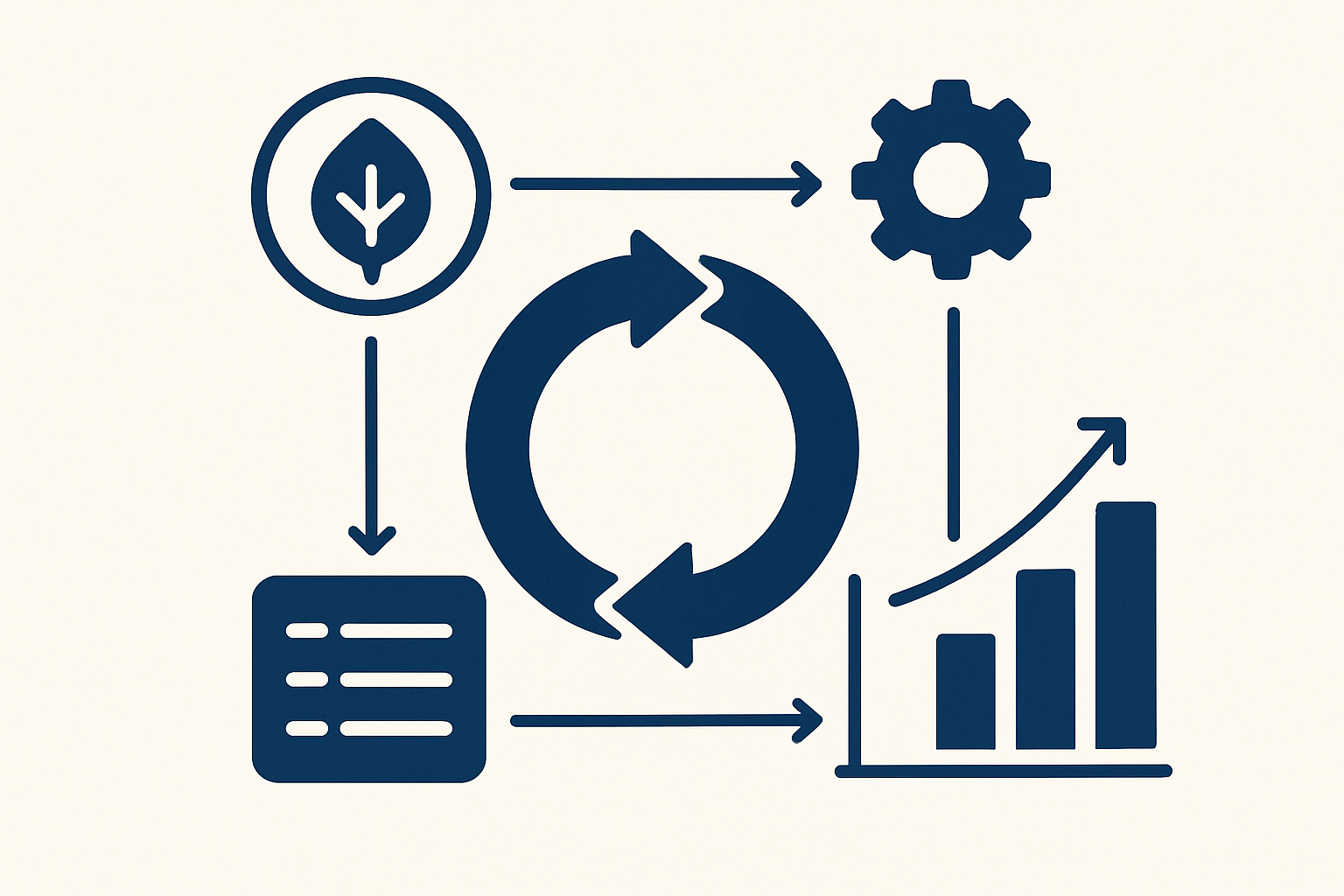
Substance use simultaneously alters brain function and can trigger or worsen existing mental health symptoms. This creates a cyclical pattern where each condition reinforces the other, making recovery more challenging without proper intervention.
Common Dual Diagnosis Combinations
Depression frequently co-occurs with alcohol use disorder, affecting nearly 30% of people with major depressive episodes. Anxiety disorders commonly pair with benzodiazepine dependence or marijuana use disorders as people seek symptom relief through substances.
Post-traumatic stress disorder often develops alongside alcohol, opioid, or stimulant use disorders. Bipolar disorder shows high correlation with various substance use disorders, particularly during manic episodes when judgment becomes impaired.
Treatment Approaches for Dual Diagnosis
Integrated treatment models provide the most effective approach for dual-diagnosed patients. These programs coordinate mental health and addiction services within the same treatment setting, ensuring consistent care and communication between providers.
Sequential treatment, where one condition receives attention before the other, often leads to relapse because underlying issues remain unaddressed. Parallel treatment involves separate providers for each condition but lacks the coordination necessary for optimal outcomes.
Evidence-Based Therapies
Cognitive behavioral therapy helps patients identify thought patterns that contribute to both mental health symptoms and substance use behaviors. Dialectical behavior therapy teaches emotional regulation skills particularly beneficial for patients with mood disorders and addiction.
Trauma-informed care addresses underlying traumatic experiences that often contribute to both conditions. Motivational interviewing enhances patient engagement and readiness for change across both treatment areas.
Medication Management in Dual Diagnosis
Psychiatric medications require careful consideration in dual-diagnosed patients due to potential interactions with substances and addiction risks. Some medications used for mental health conditions can be habit-forming, necessitating close monitoring and alternative approaches when appropriate.
Medication-assisted treatment for opioid or alcohol use disorders can be safely combined with psychiatric medications under proper medical supervision. Cross-tolerance and withdrawal considerations require specialized knowledge to prevent complications during treatment.
Monitoring and Adjustments
Regular medication reviews ensure optimal effectiveness while minimizing risks. Blood work and symptom tracking help providers adjust dosages and identify potential problems early in treatment.
Patient education about medication compliance improves outcomes and reduces the likelihood of using substances to manage side effects or breakthrough symptoms.
Levels of Care for Dual Diagnosis
Inpatient dual diagnosis treatment provides 24-hour medical supervision for patients with severe symptoms or safety concerns. These programs typically last 30-90 days and include medical detox, psychiatric stabilization, and intensive therapy.
Partial hospitalization programs offer structured daytime treatment while allowing patients to return home evenings. Intensive outpatient programs provide flexibility for those with work or family obligations while maintaining regular therapeutic support.
Residential Treatment Options
Long-term residential facilities specialize in dual diagnosis care for patients requiring extended stabilization periods. These programs focus on developing coping skills, medication management, and relapse prevention strategies over several months.
Transitional living arrangements provide continued support as patients reintegrate into independent living while maintaining access to mental health and addiction services.
Frequently Asked Questions
How long does dual diagnosis treatment typically take?
Treatment duration varies based on individual needs and condition severity. Most programs range from 30-90 days for initial stabilization, with ongoing outpatient support continuing for months or years as needed for sustained recovery.
Can dual diagnosis patients take psychiatric medications during addiction treatment?
Yes, psychiatric medications are often essential for dual-diagnosed patients. Medical professionals carefully evaluate each case to ensure safe, effective treatment while monitoring for potential complications or interactions with recovery goals.
What happens if only one condition gets treated?
Treating only addiction or mental health issues typically leads to poor outcomes and higher relapse rates. Untreated conditions often trigger symptoms that drive patients back to substance use or mental health crises requiring emergency intervention.
Are dual diagnosis programs covered by insurance?
Most insurance plans cover dual diagnosis treatment under mental health and substance abuse benefits. Coverage varies by plan, so verification of benefits and pre-authorization may be required before beginning treatment programs.
Bottom Line
Dual diagnosis requires integrated treatment addressing both mental health and substance use disorders simultaneously for optimal outcomes. Professional evaluation and specialized care significantly improve recovery success rates compared to treating conditions separately.
Los Angeles offers numerous dual diagnosis treatment options through qualified facilities and providers. Losangelesdrugrehabilitation.com provides comprehensive information about local treatment centers specializing in co-occurring disorders, helping individuals and families navigate available resources and find appropriate care levels for lasting recovery.
References
- Substance Abuse and Mental Health Services Administration. (2022). Key substance use and mental health indicators in the United States: Results from the 2021 National Survey on Drug Use and Health. https://www.samhsa.gov/data/sites/default/files/reports/rpt39443/2021NSDUHFFRRev010323.pdf
- National Institute of Mental Health. (2023). Mental illness. https://www.nimh.nih.gov/health/statistics/mental-illness
- Drake, R. E., Mueser, K. T., Brunette, M. F., & McHugo, G. J. (2004). A review of treatments for people with severe mental illnesses and co-occurring substance use disorders. Psychiatric Rehabilitation Journal, 27(4), 360-374.
- Center for Behavioral Health Statistics and Quality. (2020). Treatment Episode Data Set (TEDS): 2008-2018. National admissions to substance abuse treatment services. Substance Abuse and Mental Health Services Administration.